


The first century of a family business
Four generations of leadership have shaped – and reshaped – the DUX brand. For 100 years, DUX has proudly remained a 100% family-owned company. As part of the centenary celebrations, DUX and DUXIANA CEO Henrik Ljung reflects on the four generations of his family that have steered the brand, what he has learned from their legacy, and the inspiration that heritage offers for the future.
Henrik Ljung describes his childhood as average for Southern Sweden in the 1980s. One memory, however, sticks out as a little unusual.
“All my friends’ parents had DUX beds, and they all had the Avanti wall system” Henrik recalls. “The second they found out who I was, the questions would start. ‘Oh, can you take a look at this?’ ‘Do you know how to tweak that?’”
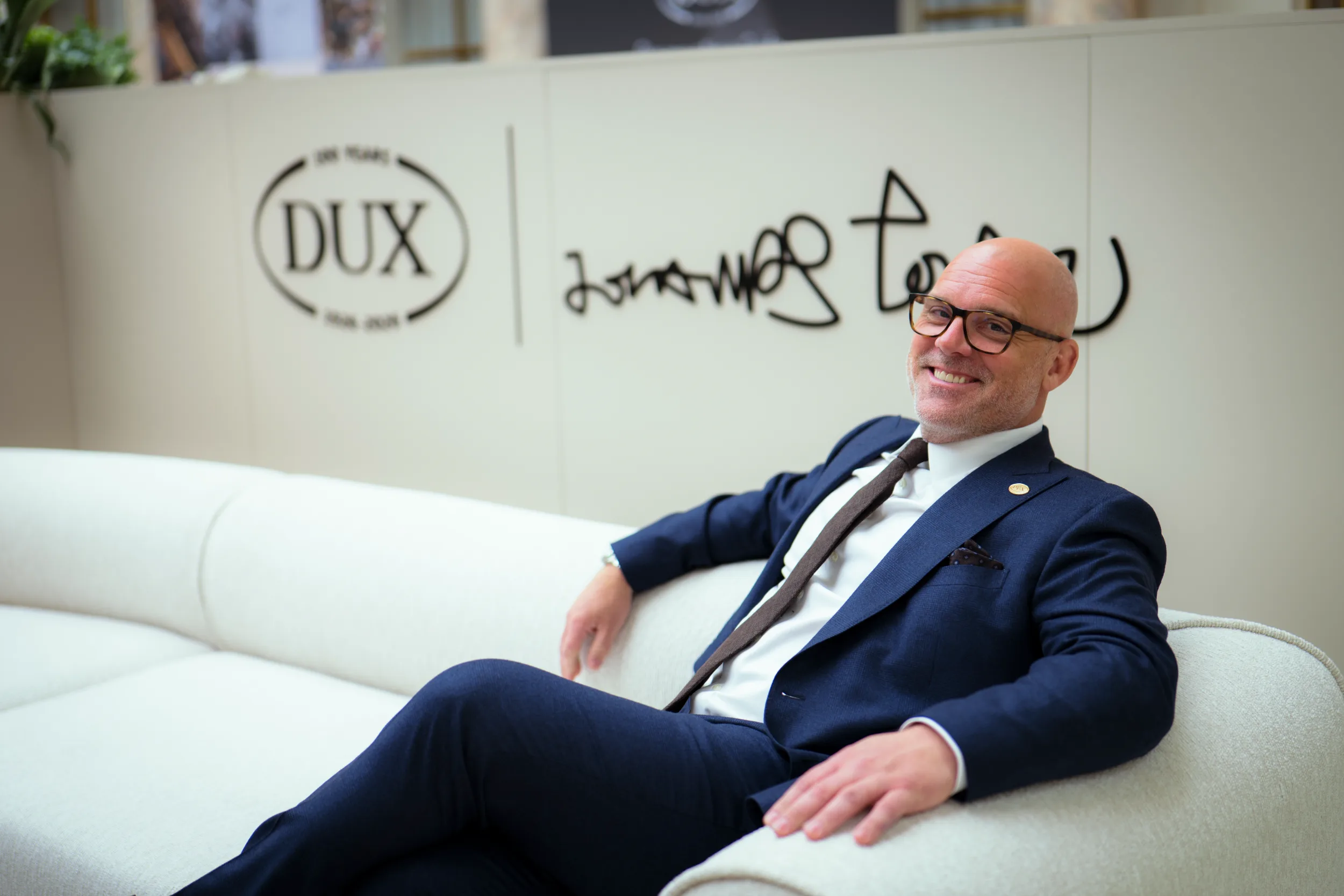
It was an early lesson in being part of “the DUX family.” For four generations, the lives of the Ljungs have been deeply intertwined with the DUX name. And while that may have made for a somewhat unique upbringing, Henrik also notes that it has set DUX apart as a brand. In his telling, the consistency of family ownership has kept the company focused on its original mission, allowing DUX to survive – and thrive – for a century.
“Our goal is to make the best possible products for our customers, and we only need to answer to them and to ourselves,” he explains. “There aren’t outside interests that we need to please. That’s given us the freedom and flexibility to shoot from the hip: to try new things and make decisions faster. DUX is Latin for leader, and we have always tried to lead by example instead of looking at what others are doing.”
For 100 years, that agility and drive to experiment have helped DUX set a global standard for sleep comfort and iconic furniture design. Looking back, we can see it baked into the DNA of the company from the very beginning.
The man that started it all (1926-1950s)
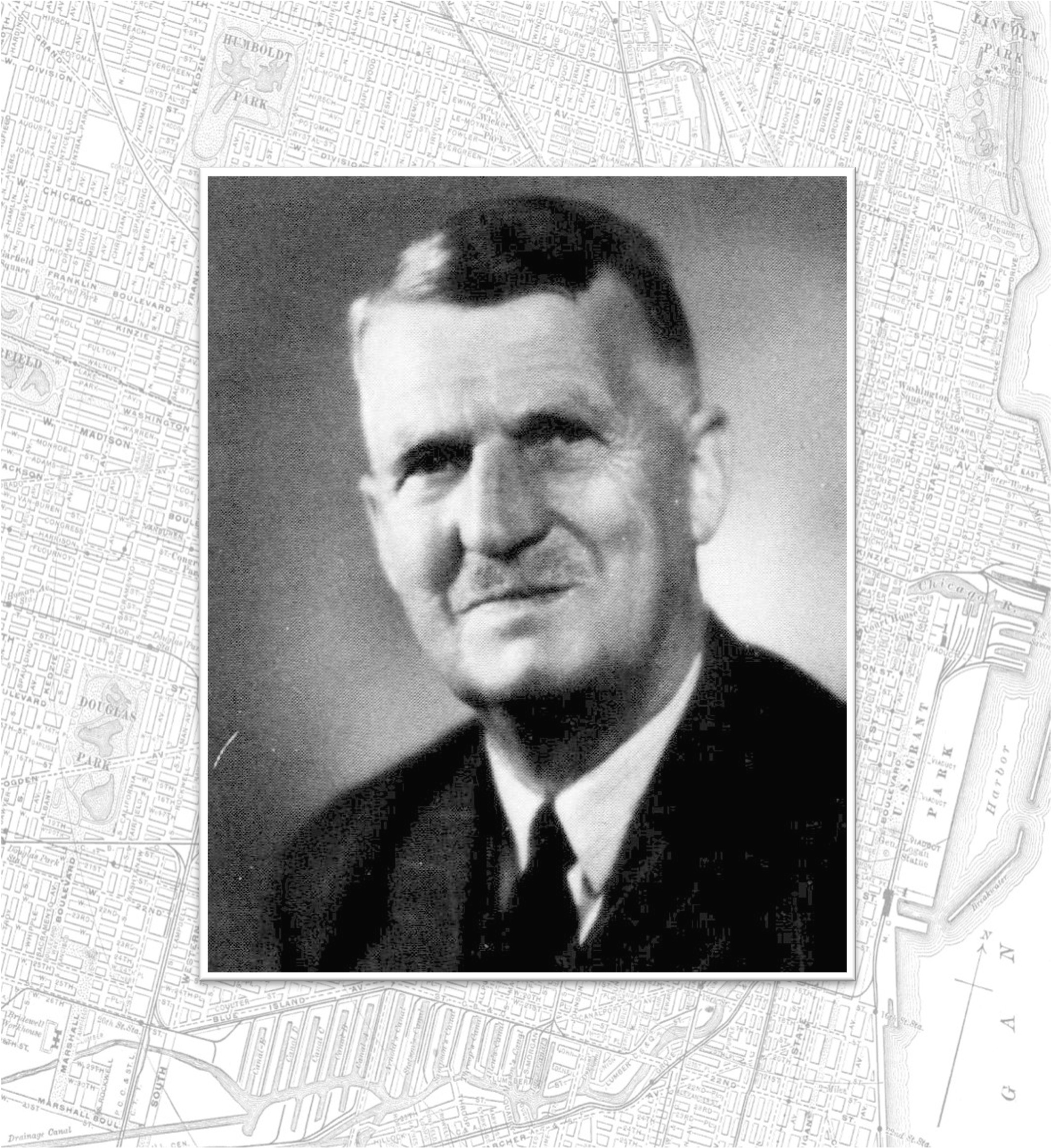
By now, the founding of DUX has passed into legend. As the story goes, Swedish grocer and chocolatier Efraim Ljung was visiting Chicago in 1924, where a hotel bed gave him the best night of sleep he had ever experienced. Efraim, fascinated by what made the bed so comfortable, cut open the mattress to discover it was filled with springs. He took the idea home with him and, after two years of experimentation with his own coils, the first DUX mattresses were born.
It's a compelling story, but it’s one that nearly misses a critical X-factor: the man himself. After all, lots of us encounter new technologies, but few have the vision to understand their potential or the drive to realise it. Efraim Ljung was different.
He was somebody with the innate sense to see where things were heading. He was flexible, surrounding himself with people who could bring his ideas to life, but giving them the freedom to develop their own ideas as well. Above all, Efraim was somebody always eager to try something new: the grocer who found a better cacao source and thought why sell this when I can start my own chocolate factory instead?
And so it was with DUX. When Swedish furniture manufacturers showed lukewarm interest in Efraim’s innovative mattresses and cushions, he decided DUX would make its own furniture too. When local retailers didn’t get on board, he decided DUX would open its own stores to reach consumers directly.
Perhaps nothing captures Efraim’s gift of foresight better than a story from early 1939. Returning from a business trip across Europe, he had become convinced that war was looming – and soon. He instructed the factory: “buy all the filling and cotton you can find.” This no doubt raised some eyebrows in the bookkeeping department, but it would prove fortuitous. When other Swedish manufacturers struggled with material shortages in the early years of WWII, Efraim’s quick thinking kept the DUX machine in motion.
“But he also understood that things rarely go as planned,” Henrik adds. “It was key to his flexibility, creating an environment that remains part of our culture today. He gave his colleagues enough room to succeed and fail, and to learn from those experiences. That includes my grandfather Eric. Teaching between the generations has been invaluable, of course, but as my great-grandfather said to my grandfather, and my father said to me: there are just some things you have to learn on your own.”
Pioneering timeless design classics (1950s-1980s)
Eric Ljung, who started at DUX as a young man in the 1930s, began taking on leadership roles in the 1940s. He would assume full responsibility of the company just a few short years before Efraim passed away in 1955, at the age of 77.
“When we speak about the second generation, we speak about my grandfather’s focus on production,” Henrik says. “He oversaw major improvements to production techniques as a way to raise the quality of DUX mattresses and furniture even further.”
Production was not just refined under Eric’s leadership. It also expanded. Modern factories were opened in the small Swedish town of Sösdala and in industrial Trelleborg. The period also saw greater growth abroad, with plants in other parts of Europe and around the world. This included the first major introduction of products in North America, when DUX started a subsidiary in San Francisco in 1950.
By this point, the brand was already well-established back home in Sweden, with DUX beds available throughout the country, and the company’s famous spring cushions found in everything from home furniture to the seats of Swedish trains and cinemas. The original Swedish DUX stores, having served their purpose, were slowly closed, allowing Eric to focus his energy on a new type of marketing initiative to suit consumers’ changing post-war lifestyle.
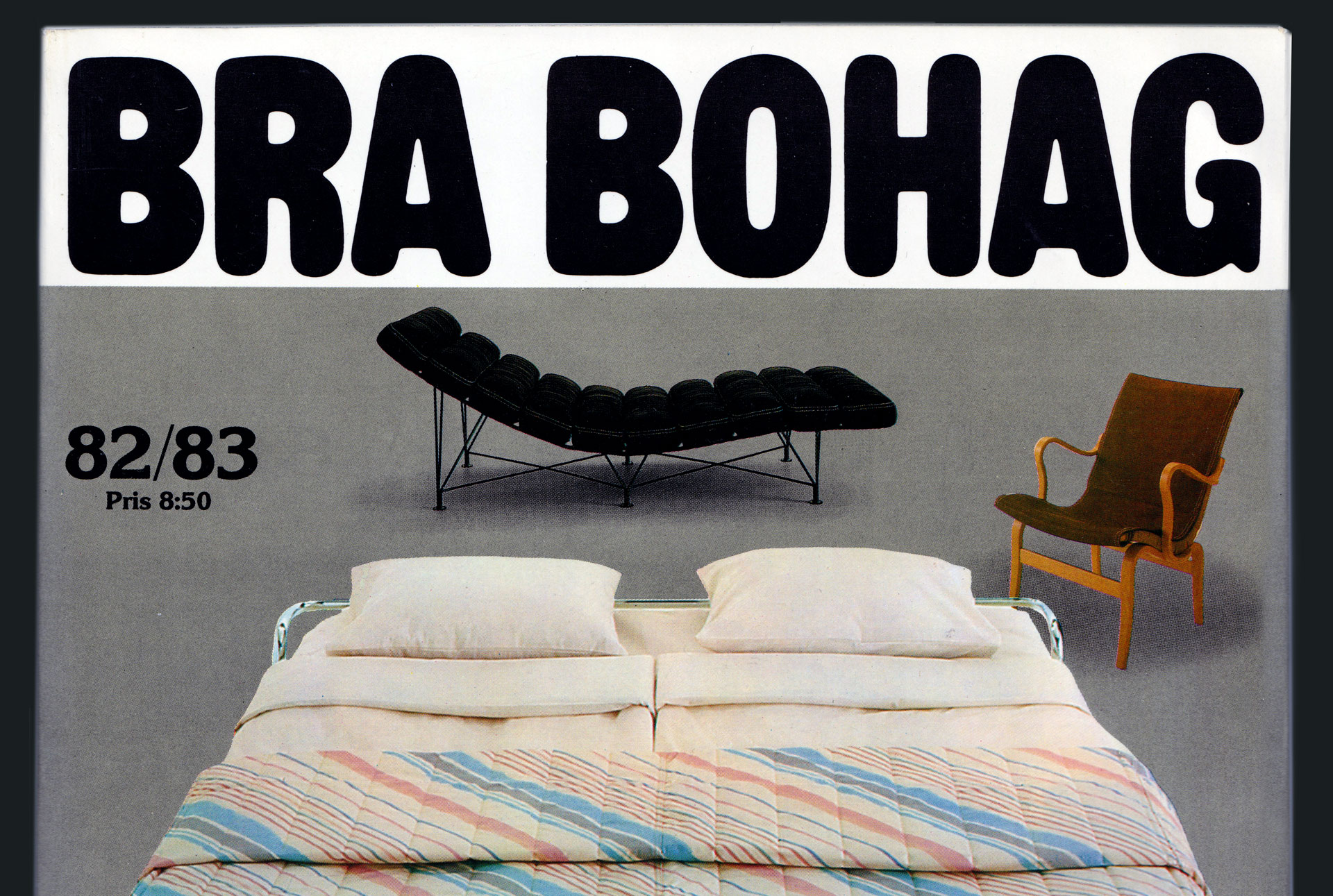
His idea was a broad collaboration of Swedish furniture brands and retailers that would give shoppers a comprehensive offering of home products. He called it Bra Bohag*. The heart of the effort was a nationally distributed catalogue and magazine that presented consumers with an aspirational vision for the modern Swedish home. These images helped to solidify the ideal of mid-century Scandinavian design that remains popular to this day.
For many, that focus on timeless design remains synonymous with the DUX name. Among Eric’s most lasting contributions to the brand were the collaborations he forged with leading designers of the era, resulting furniture classics still found in DUXIANA stores. The most famous, of course, was the partnership he built with famed Swedish designer and architect Bruno Mathsson.
“I don’t think the two of them spent much time together at first,” Henrik says with a chuckle, “but my grandfather knew Bruno made great furniture, and also knew that he needed DUX’s production capabilities to bring that furniture to a global audience. As the partnership deepened, they grew to become very close friends, and some of the most memorable Mathsson designs are actually named after members of the Ljung family.”
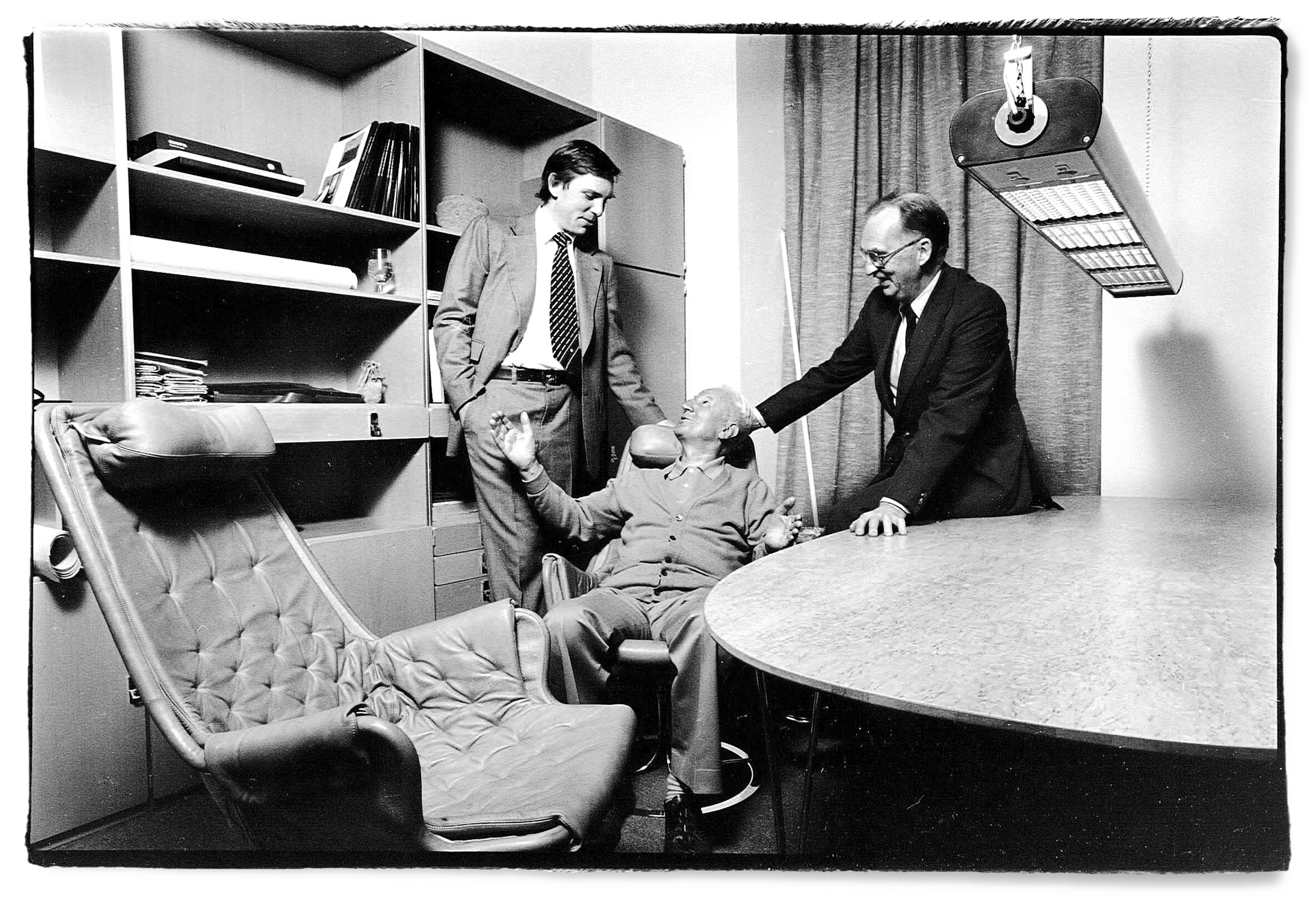
The final collaboration Eric oversaw was the launch of Avanti – the same bookcase that ended up playing such a big role in his grandson’s childhood. During an exhibition in Milan, Eric met Italian designer Antonio Gioya, who was developing a modular, customisable wall system. DUX partnered with Gioya to produce the idea, with an employee naming it after a street crossing he had seen during the Milan trip. While it took several years for the market to catch on to the unique shelving, Avanti would ultimately become one of the most iconic pieces of 1980s European home design.
Sleep comfort goes global (1980s-2010s)
Eric Ljung retired at the start of the 1980s, leaving DUX at a moment of rapid transformation in the global home furnishing market. Throughout the 1970s, a different business model had emerged, characterised by quick, cheap fabrication and products designed to be used up and replaced. Gone were the days of “heirloom furniture,” and suddenly well-made, long-lasting products like a DUX bed could seem almost old-fashioned. It would fall to Eric’s son Claes to meet this new era.
“DUX was at a crossroads and, early on, my father made certain choices about the path we would take,” Henrik explains. “One of these was to double down on DUX’s original mission to provide an unmatched sleep experience. He realised that, at the time, there was no such thing as a “premium” bed. That was an idea we created, but it wasn’t about offering ‘champagne and caviar’ luxury. He understood the bed as a vehicle of wellbeing and knew people would see the value in investing in their health through a better night’s rest.”
While continuous improvement has always been central to DUX’s products, the company began studying the science of sleep like never before. Further research and development went in to learning what the human body needs to achieve comfortable, deep sleep, and how the DUX bed could be redesigned for greater health and wellbeing.
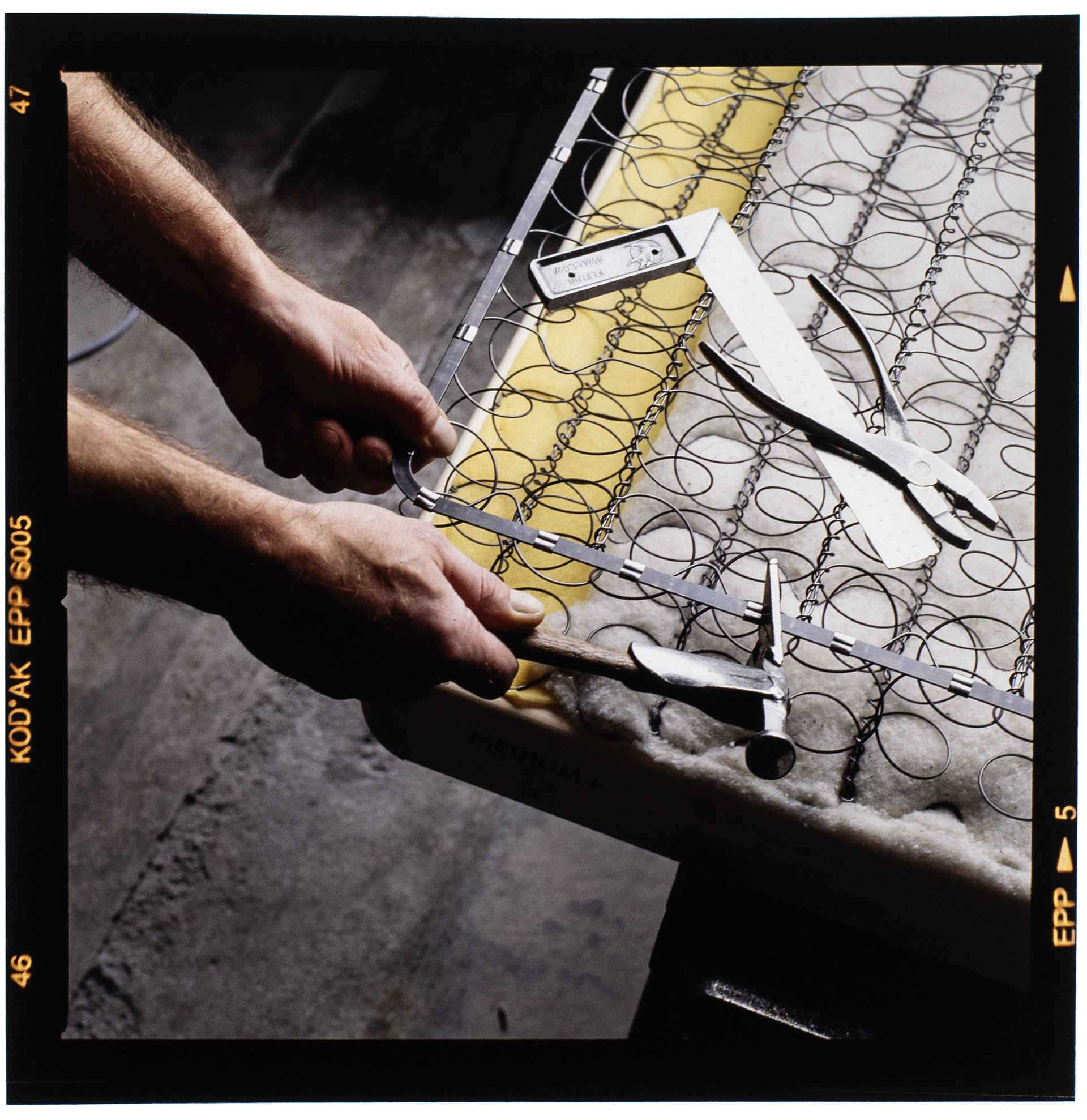
“With each generation, we have taken a giant leap in the functionality of our beds,” Henrik says. “My great-grandfather introduced the spring mattress to northern Europe and invented the top pad. During my grandfather’s time, DUX developed the multi-spring coil. My father’s team pioneered the Pascal springs. And today we’re taking that even further with the component-based sleep system that lets customers customise the bed to their individual sleep needs.”
One challenge remained, however: reaching a new type of consumer in a new type of market. Just like Efraim had in the 1920s, Claes realised DUX would need to cut out the middleman and speak to consumers directly. To this end, he developed a new international retail concept, exclusively featuring DUX products. But what to call it? For inspiration, Claes thought back to the raucous company parties his father had thrown in the 1960s. Eric had called his employee celebrations “DUXIANA.”
“In the 80s, no manufacturers were doing mono-brand stores,” Henrik recalls. “My dad was a lonely guy. Everybody was telling him: ‘this is never going to work.’ But he stuck to his guns. His goal was just to have DUXIANA stores in the Nordic capitals. But then came London. Then LA, and then 5, 10 years later and we were all over the map.”
The first DUXIANA store opened its doors in 1986. Since then, more than 90 stores have opened in over 30 countries around the globe. Controlling its sales channels has helped DUX better inform consumers about the health benefits of the DUX bed – and given those consumers a way to test those benefits for themselves. The company learned early that the DUXIANA concept made it easier for new customers to meet DUX, and for DUX to hear and learn from their feedback.
Continuing the tradition of experimentation and innovation (2010s and beyond)
In 2019, Claes handed over day-to-day operations to his sons Henrik, Anders and Oscar. The fourth generation has already put its stamp on the DUX name, testing everything from new markets for DUXIANA stores, to unexpected partnerships with hotels, athletes and celebrity chefs, to forthcoming product innovations in previously unexplored areas. The brothers have thus carried on the tradition of previous generations, staying committed to DUX’s original mission while eagerly trying new ideas that fit the moment.
“Something I learned from my father is that you have to give people room to grow,” Henrik says. “You can’t always succeed. A good leader is the one who can handle when things go wrong and quickly find another path. So, I love the people who fail – and who learn from their mistakes. That’s what’s driven innovation both with our business strategy and with product development.”
While Henrik notes that some mistakes will always be repeated, having such a rich family history to draw on has given the Ljung brothers plenty of lessons and inspiration to make different choices today. It has also helped them to better understand their own place within the DUX story. If there is one thing he is clear about, it’s that he sees his role a combination of caretaker and architect of the future. He knows that one day he too will pass the brand on to generation five, and his main goal is to give them the best possible starting point.
“2026 has given us a moment to reflect on how amazing it is,” Henrik concludes. “100 years! You have to pinch yourself! I’m sitting here with the honour of representing what my great-grandfather started. I know he can see us, and I hope he is proud. But 100 years isn’t our end destination. It’s a starting point for the next 100. I’m not interested in patting ourselves on the back. For me, this history is motivation to keep going and to do even more.”
* Roughly translated: Good Household Furnishings