


Preserving a century of comfort and design
How do you honour timeless designs while letting them inspire the future? With 100 years of experience in furniture, DUX has a rich history of classic pieces that live on to this day, and with the newly refurbished archive, they have the ideal home for all the designs and documents that are the foundations of each piece.
A lot has changed over the past 100 years. The way we dress, the way we furnish our homes, the way the world looks in general – there have many significant changes and cycles, and DUX has been there to provide craftmanship, innovation and design for homes and businesses all over the world for the entire time.
This kind of history is increasingly rare for businesses, which makes it even more important to preserve it whenever possible.
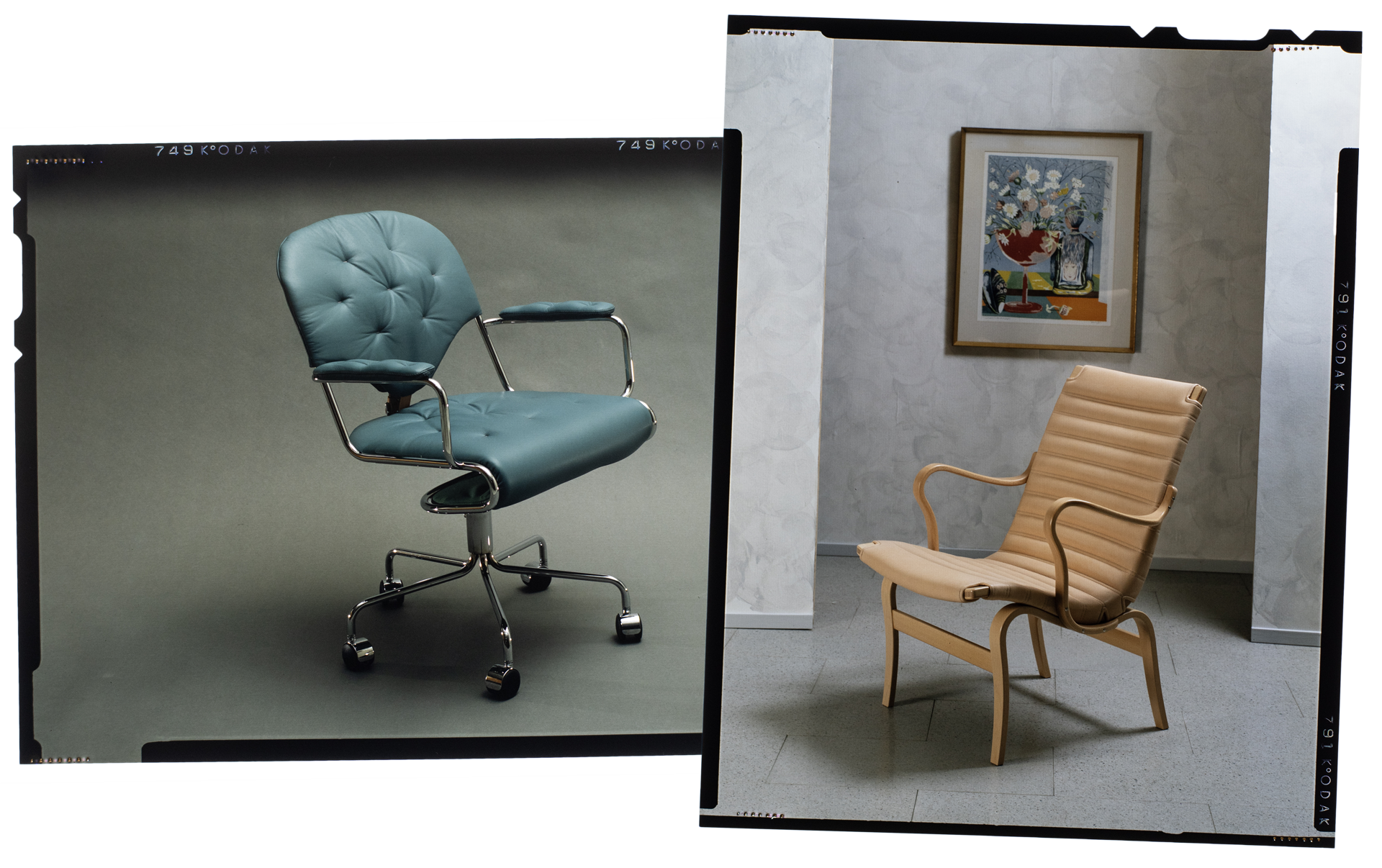
“The archive has been created simply because we have to back up everything we have done, and everything we do now. It’s like a hard drive,” explains Oscar Ljung, Senior Brand Ambassador & Public Relations at DUX. “But it also tells the stories about the techniques, how we have worked over decades, and includes blueprints, drawings and catalogues. It’s not only our history, but the history of furniture and society in Sweden. It’s a bit of a time capsule, and stepping into the archive is like stepping into the past.”
As well as the physical documents, the archive is also digitised to help secure the century of knowledge and expertise that’s found in the physical room, but the room itself is special. With over 10,000 drawings that include everything from early bed designs to specific component parts, this is more than the history of DUX – it’s also there to inspire future designs.
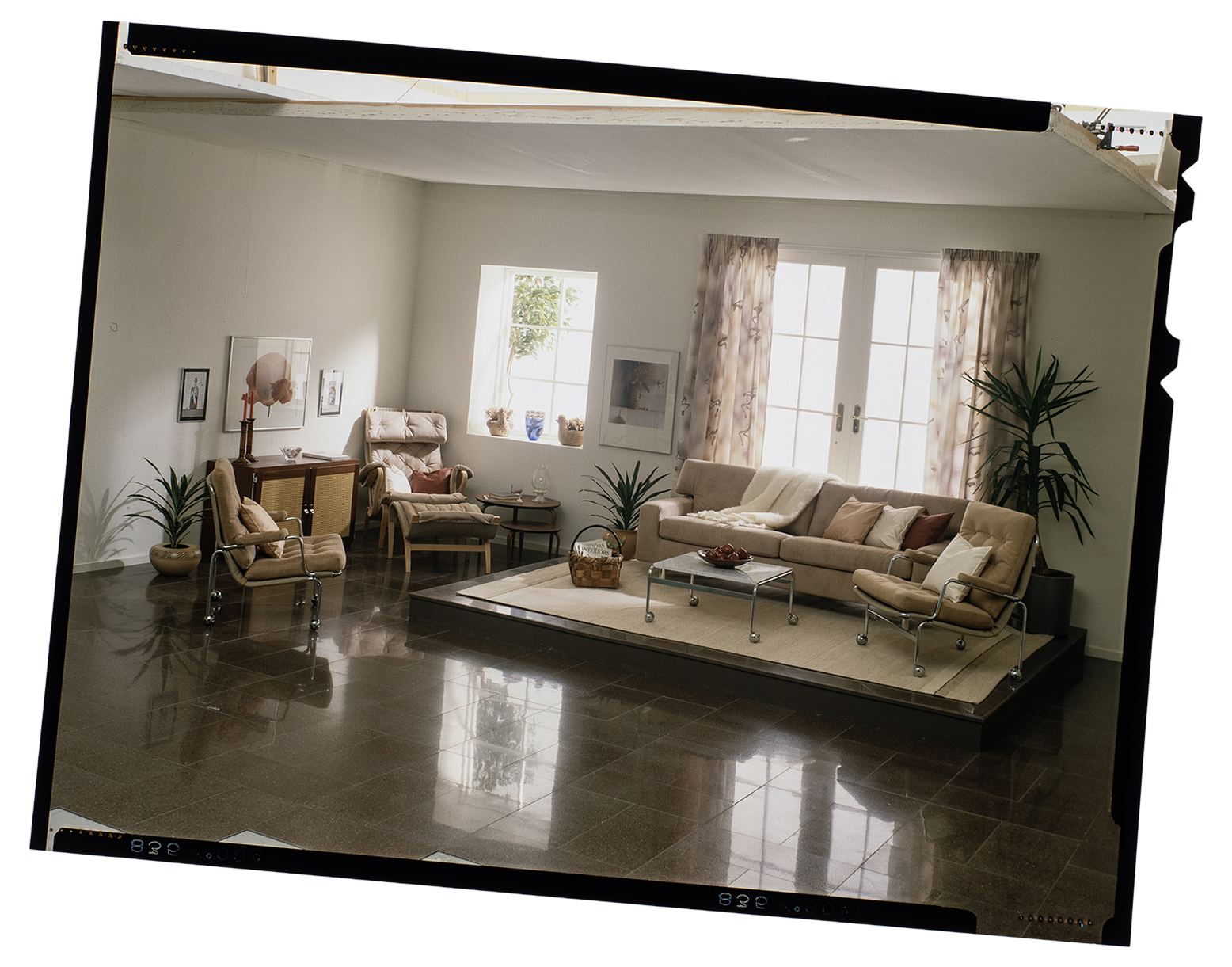
Honouring the past. Inspiring the future.
With so many documents, and so many details, it’s possible to take a deeper dive into the history of DUX to discover the work that went into the classics from over the years. It’s not just the well-known designs that have a place in the archive, though, as there are many surprises to be found.
“Every time I go in there, I see something from the past that I didn’t even know we did,” says Oscar. “There are some furniture pieces that would be almost impossible to make now due to the materials used or certifications required, but then there are other interesting documents that show how our springs were used in cars, trains and even submarines and naval equipment!”
These unique examples give interesting insights into the history of DUX, but the archive is not only about reflecting on the past – it’s also there to inspire the future. DUX pieces are influenced by period they exist in, but they’re also designed to be timeless. This is why the classics are revived, often with small tweaks and updates that bring them in line with modern standards while retaining the soul of the original inspiration.
“When we do revivals, we invite architects into our archive, and they get the chance to take a piece of history and update it,” explains Oscar. “For them, it’s like being kids in a candy store! The room itself is categorised by year and designer, but when you walk in you can just pick drawings and get inspired, and there are documents stored away but also those that are being worked on. It’s a room that promotes discovery.”
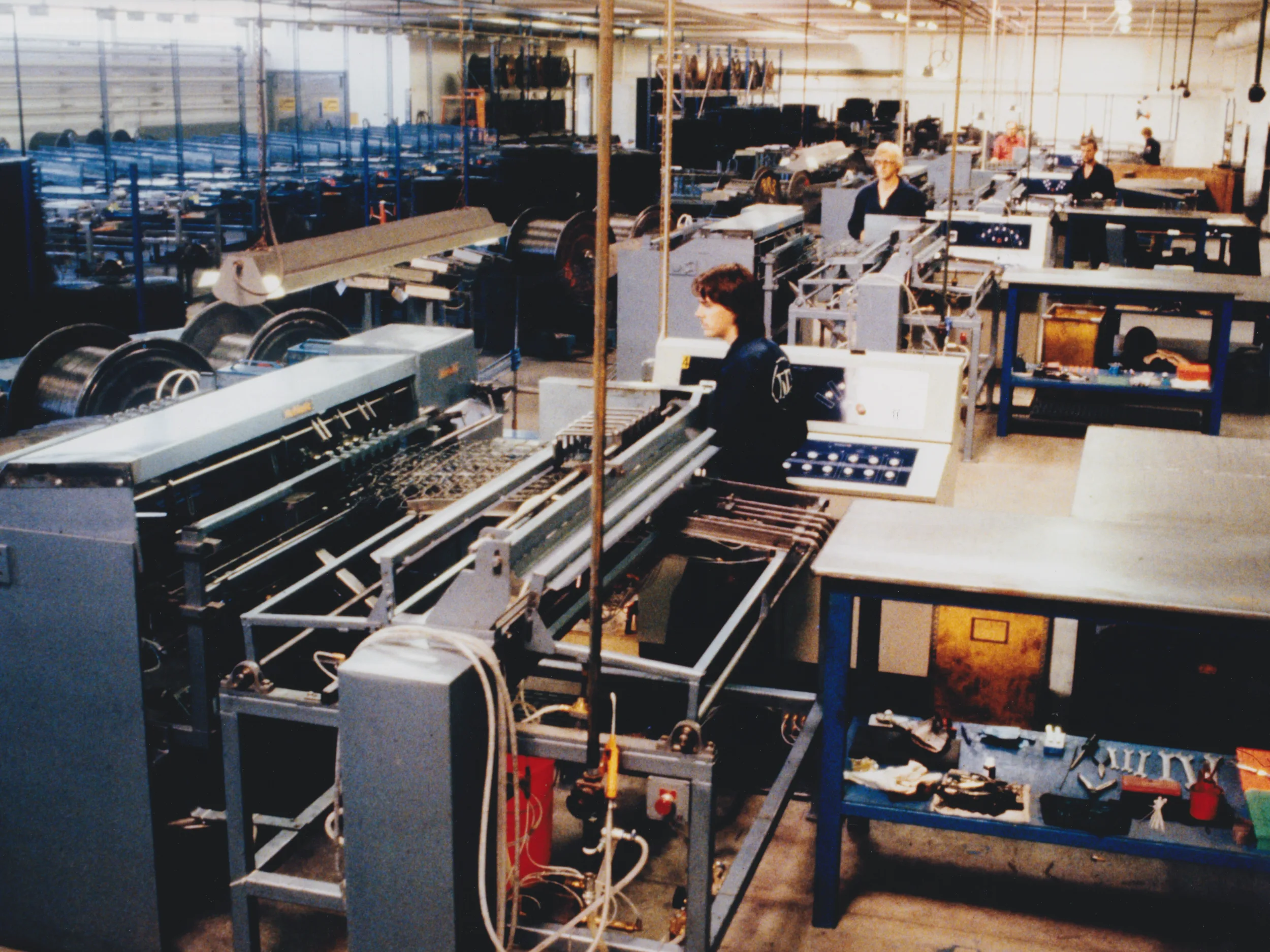
Pieces of history, made for today
The process of reviving older pieces is an interesting one, as there are many drawings to draw inspiration from. Some of the ideas never made it to a final design, where others would be impossible, or too costly, to replicate now. On the other hand, there are those which can be brought back that, with a few tweaks and adjustments, are just as relevant and stylish now as they were at original release.
“We had to buy some of the furniture that we wanted to revive on auction sites, as it wasn’t possible to keep examples of every item,” says Oscar. “This process is also a good way to see the items that are worth bringing back– if there are popular pieces, they are usually worth considering for future projects.”
Some don’t require much in terms of cosmetic updates, where others introduce new materials and fabrics, and some pieces include subtle changes that make the updated furniture better suited to society as it is today. One example was making a new version of a chair that was slightly taller, to account for the fact that the average height of the population is on the rise.
The archive is the tool that facilitates this work, but it’s also much more than that.
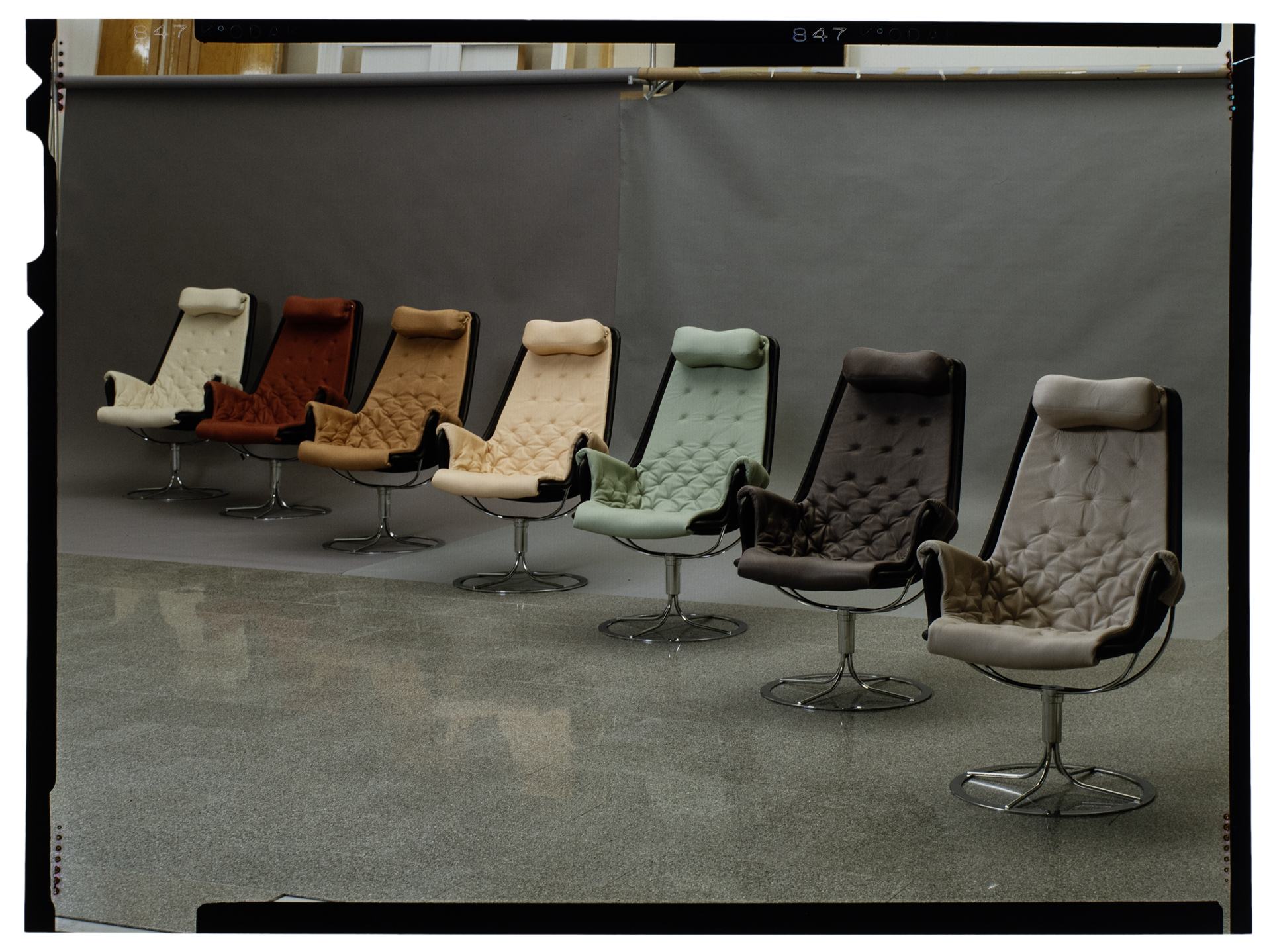
The heart of a hundred years of innovative design
The archive contains a detailed history of everything DUX has ever done. It’s possible to see designs evolve, and to get a sense of the story that comes with them. The documents within are a testament to a century of innovation, and to a commitment to timeless design. At the moment, it’s a locked room, but one with many stories to tell.
“This archive tells us how we started, and how we got to where we are,” adds Oscar. “When you see that, you see the legacy and what an honour it is to be a part of this history. We have design documents, letters from customers, magazines. All of them have their own stories and their own meaning, and memories. It’s special.”